Getting more traffic is important, but traffic alone doesn't grow your revenue. The biggest opportunity for many BigCommerce stores is improving the percentage of visitors who actually makes the final purchase.
In 2026, most of the successful brands and businesses are focusing on building more trust, reducing the friction, and creating an overall better shopping experience for the shoppers. Here are a few practical ways to increase your BigCommerce conversion rate.
1. Enrich Your Product Pages
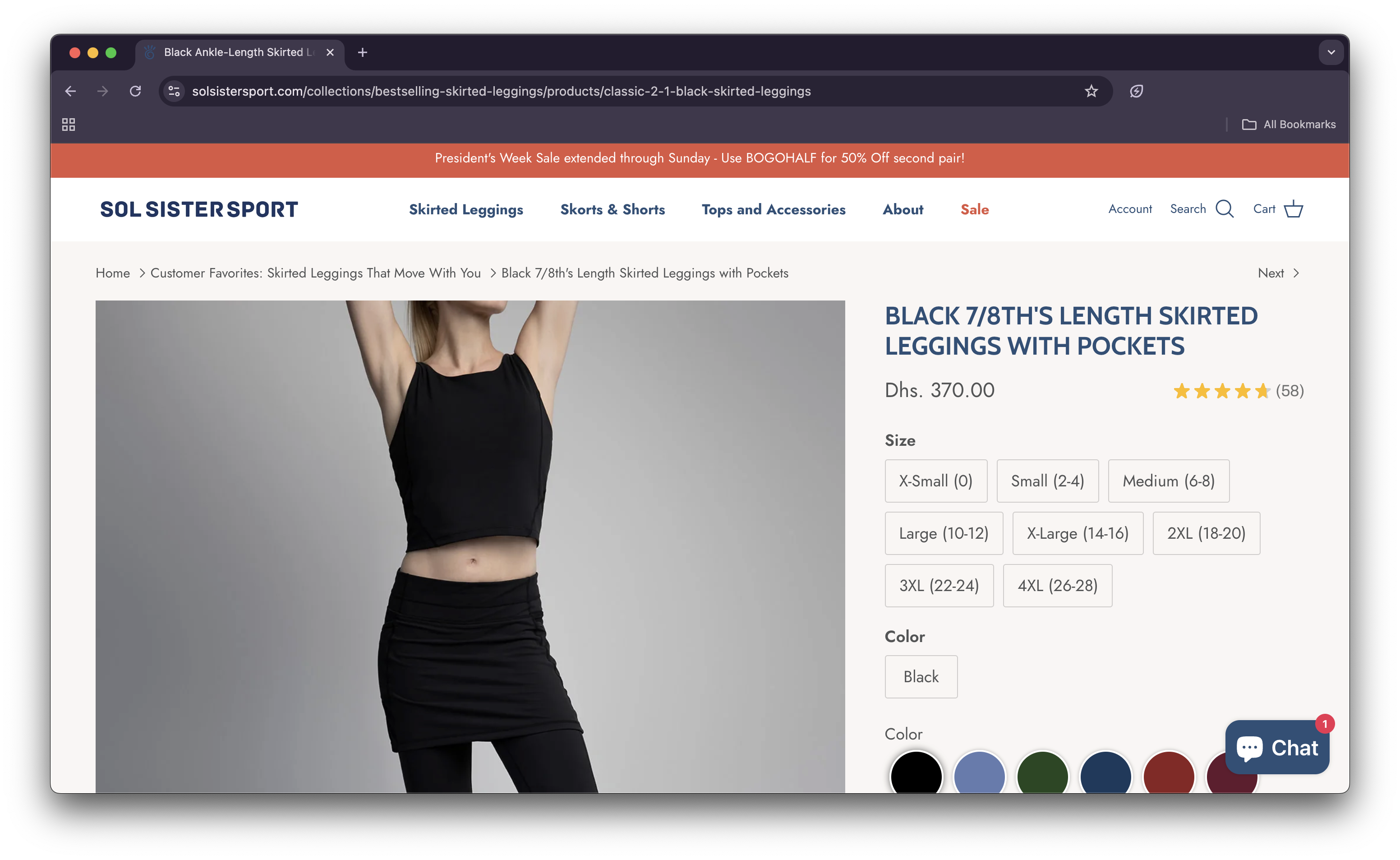
Your product page is where purchase decisions are being made in a daily basis. A strong product page should answer all of the customer questions, remove any doubts, and make buying a simpler and easier experience.
TO-DO:
- Clear product descriptions that cover customer benefits
- High-quality product image and video gallery
- Detailed product specs
- Shipping & return info
- FAQs about common concerns and inquiries
Tip: Instead of just describing the features and key points, explain how the product actually solves a customer's problem.
Example:
❌ "Made with super premium cotton fabric"
✅ "A breathable cotton shirt specifically designed for comfortable everyday wear"
High-quality images alone can lift conversion by roughly 9%, so this isn't a detail, it's one of the higher-leverage fixes on the page.
2. Add Social Proof With Product Reviews
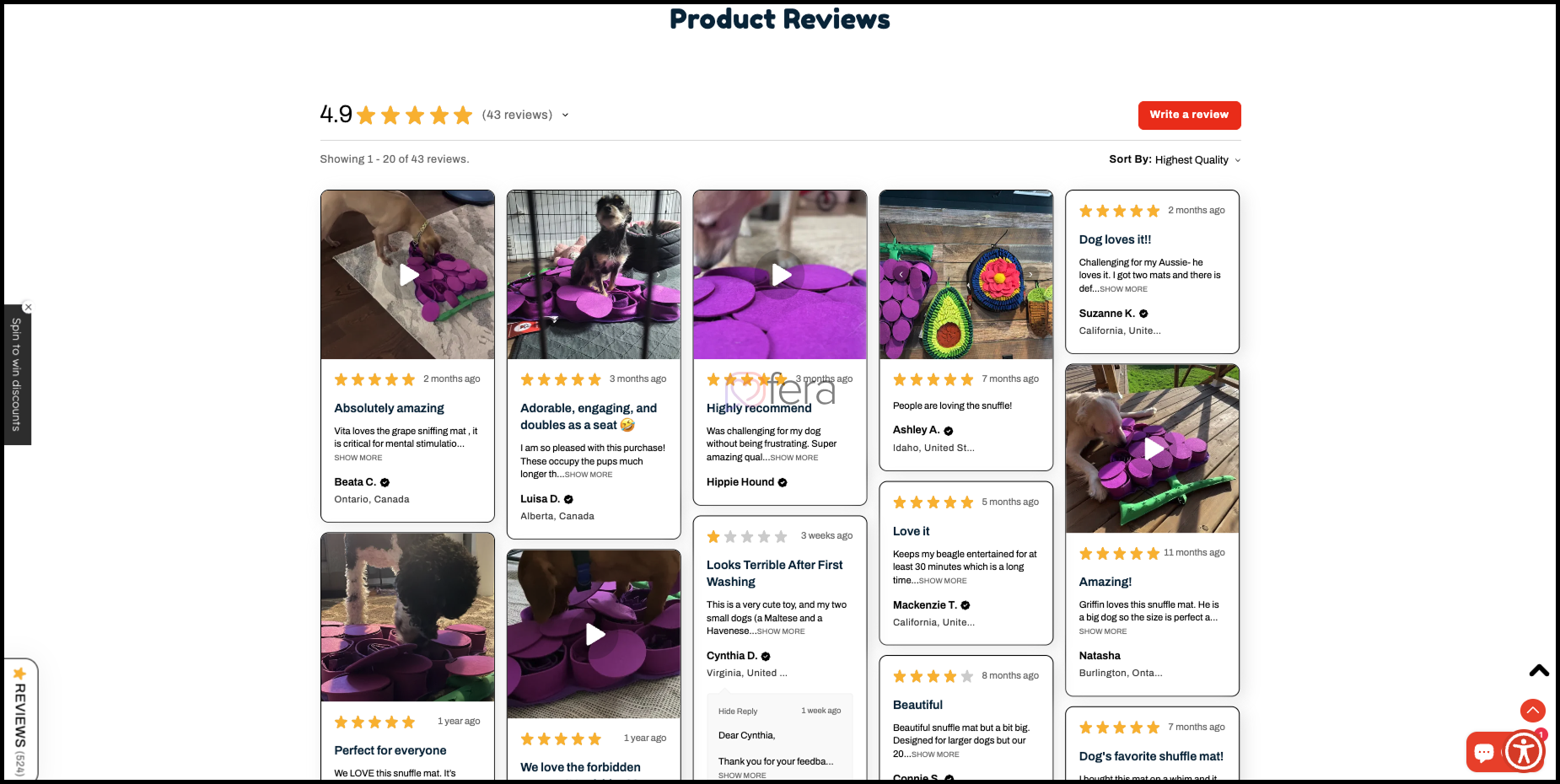
Most of the shoppers need some extra confidence before making a purchase, especially when buying from a brand for the first time. Customer reviews help them learn more about product quality, trust the brand, and see real experiences from other customers.
Effective ways to use the reviews:
- Display reviews directly on the single product page
- Showcase customer image and videos
- Highlight all the verified buyer reviews
- Display ratings near product titles or/and checkout areas
- Collect reviews automatically after the purchase
Tools like Fera Reviews can basically help BigCommerce merchants collect and display reviews, making customer feedback more visible throughout the buying journey.
3. Simplify the last checkout experience
Really - a complicated checkout process is one of the biggest reasons shoppers leave without purchasing.
Improve checkout by:
- Reducing unnecessary fields
- Offering a "guest checkout" option
- Providing multiple payment methods
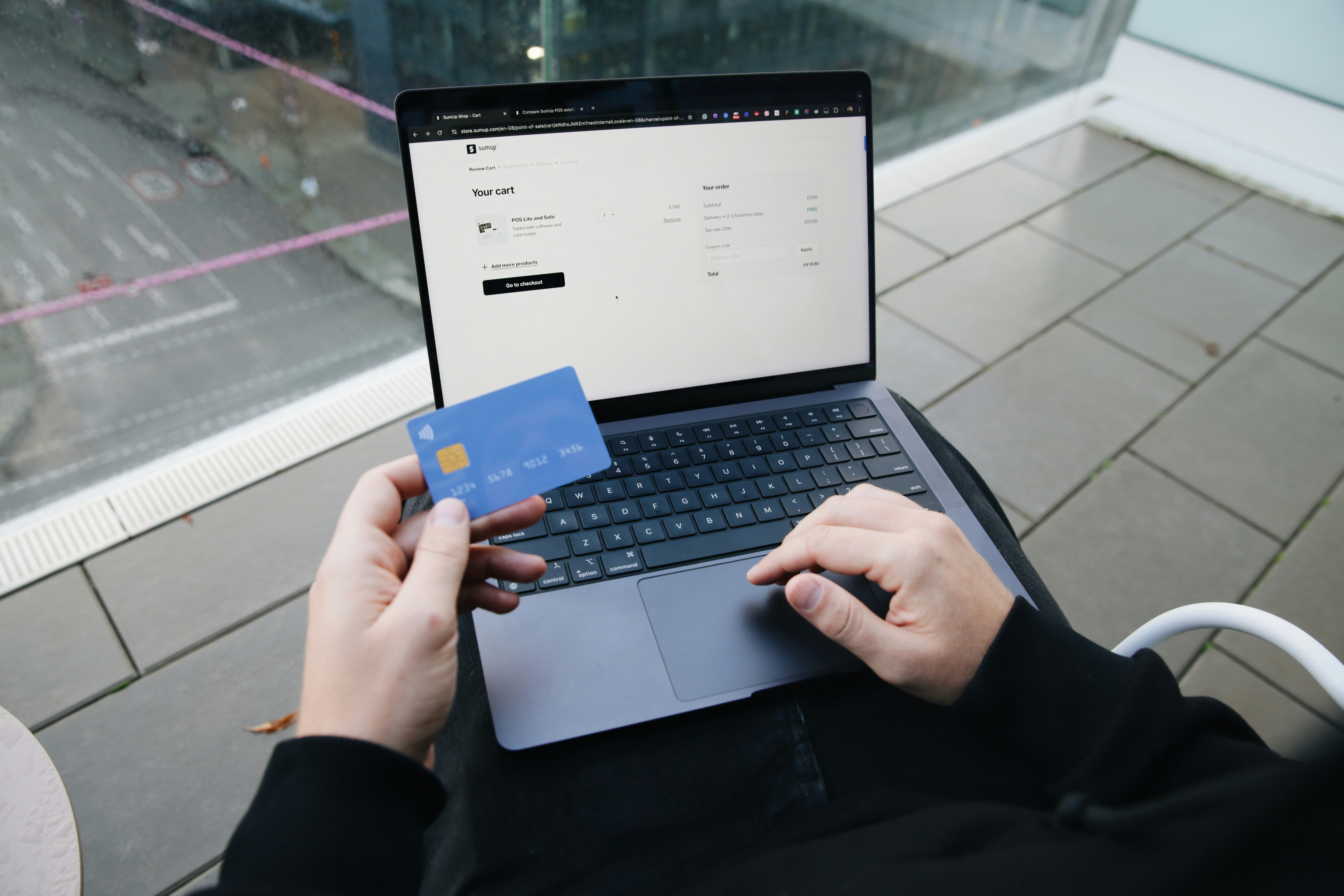
The fewer steps between interest and purchase, the higher your chance of the final conversion.
Forced account creation alone drives away close to one in five shoppers, and unexpected costs like shipping and taxes at the final step are the single most common reason carts get abandoned. The fewer steps between interest and purchase, the higher your conversion rate, sites with a simple, streamlined checkout convert at roughly 23%, compared to about 16% for sites with a complex one.
4. Optimize Your Store for All the Mobile Shoppers
Mobile shopping continues to grow, and a poor mobile experience can really quickly lose all your potential customers.
Be sure to check:
- Page loading speed
- Image size
- Navigation menu
- Full checkout experience
Your store should feel simple and fast on any device.
5. Use Better Product Suggestions
Help shoppers discover more and more products by showing relevant recommendations.
A few examples:
- "Frequently bought together"
- "Customers also purchased"
- "Complete the full look"
- "Related products"
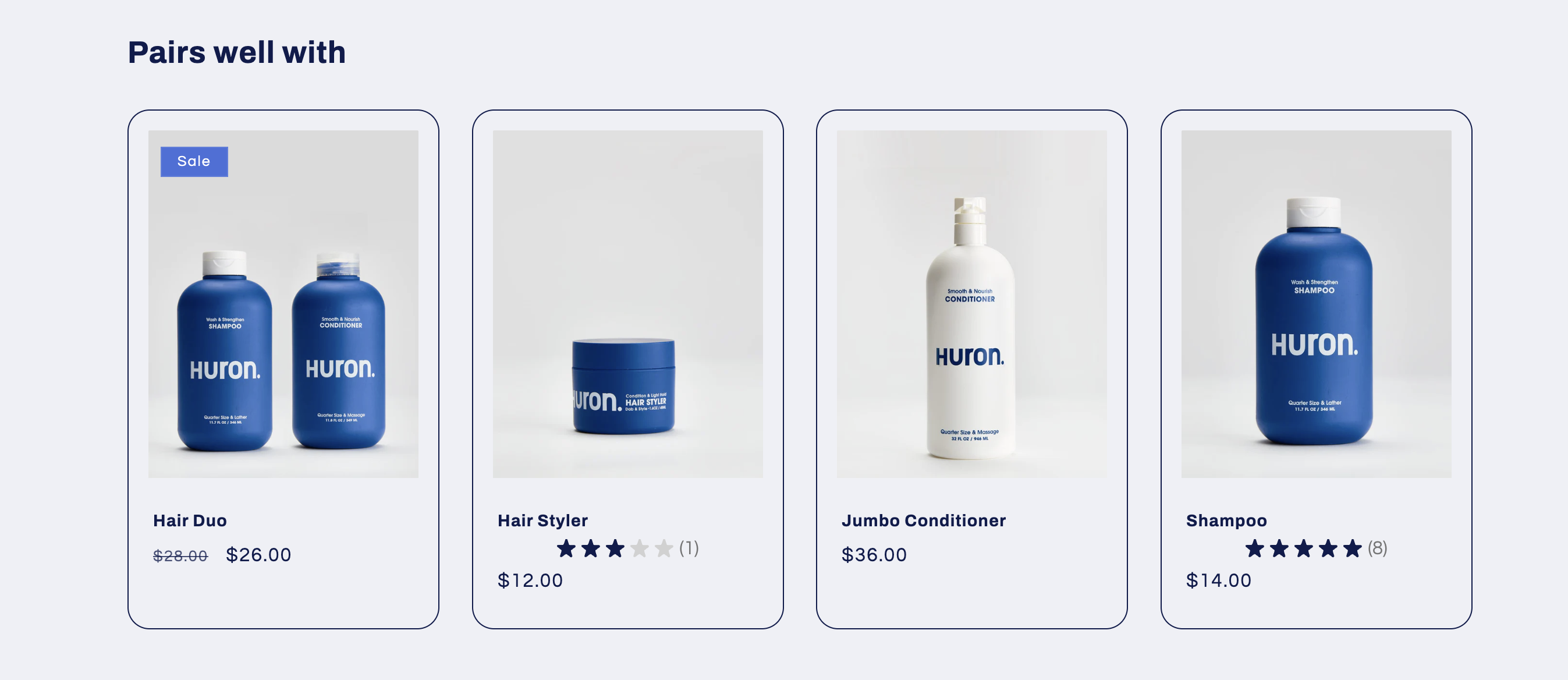
Personalized suggestions can increase average order value while helping customers find products faster—it's a win-win situation.
6. Create Urgency Without Pressure
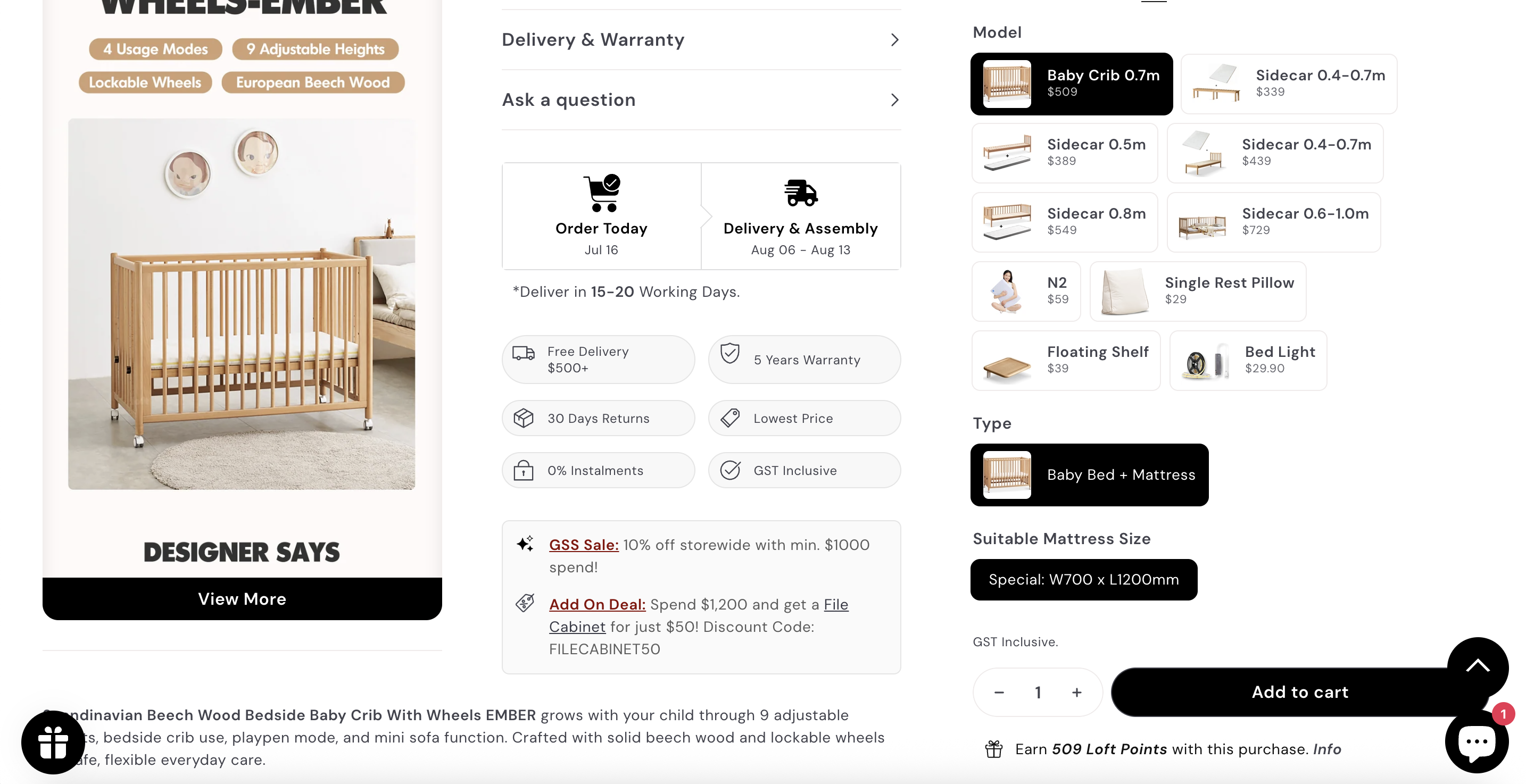
Small incentives can encourage shoppers to complete purchases.
Examples:
- Limited-time discounts for users
- Free shipping for special products
- Low-stock notifications
- Seasonal promos
The key is to create a reason to act while maintaining key trust.
7. Recover Abandoned Carts
Not every shopper is ready to go and buy immediately. Cart recovery helps bring back customers who made a purchase intent.
Strategies:
- Send abandoned cart emails
- Offer helpful reminders
- Include product images
- Provide incentives when appropriate
- Test different messaging
8. Improve Store Trust Signals
Before purchasing, customers look for signs that your store is reliable.
Add:
- Customer reviews
- Clear return policies
- Secure payment badges
- Contact information
- Customer support options
- Real customer photos
Trust is often the difference between a visitor leaving and completing a purchase.
FAQ
How do I reduce cart abandonment at checkout?
Show shipping and tax costs upfront, offer guest checkout, cut unnecessary form fields, support multiple payment methods, and make sure mobile checkout works smoothly.
Why is my BigCommerce store getting traffic but no sales?
This usually points to a trust or friction problem rather than a traffic problem, thin product information, no reviews, an unclear return policy, a clunky checkout, or a slow mobile experience.
Does urgency (low-stock, countdown timers) work, or does it annoy shoppers?
It works in moderation, when it's real. Overuse it, or fake it, and shoppers stop believing any of it, including your legit claims.
What are the best product review apps for BigCommerce?
Fera, Yotpo, and Reviews.io are the top options — Fera is easy to set up with strong visual review features, Yotpo adds loyalty and referral tools, and Reviews.io stands out for Google review integrations. Full comparison here.
Conclusion
Increasing your BigCommerce conversion rate in 2026 is not about one single technique. The best results come from doing a combination of a smooth shopping experience, customer trust, and continuous optimization.
By reducing friction and helping shoppers feel confident, you can turn more visitors into loyal customers.